
Building a Body of Work: My Make Art That Sells Illustrating Children’s Books Journey
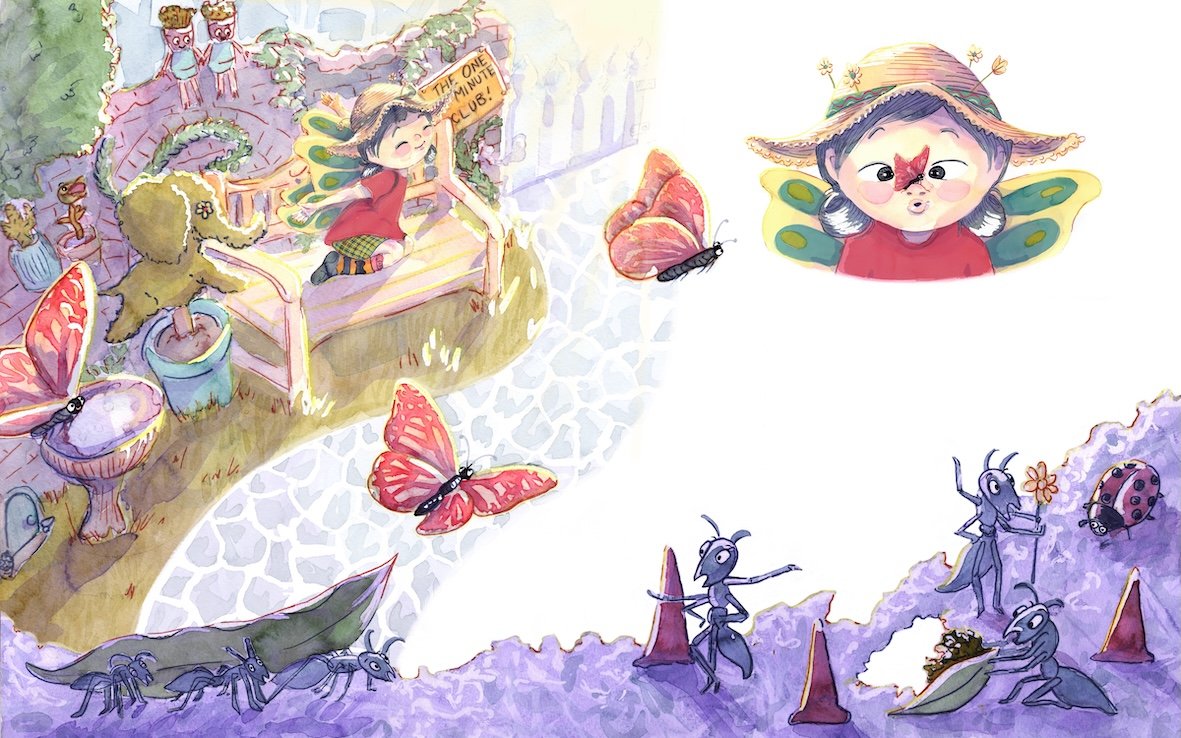
This year I took part in Make Art That Sells Illustrating Children’s Books course, taught by highly respected children’s book art director and picture book author Zoë Tucker and art agent and former illustrator Lilla Rogers.
The course is designed to help illustrators build or strengthen their children’s book portfolios by creating a series of polished pieces of illustration work. We were given three picture book texts to choose from, with weekly assignments designed to explore different aspects of illustrating a book and developing a cohesive body of work.
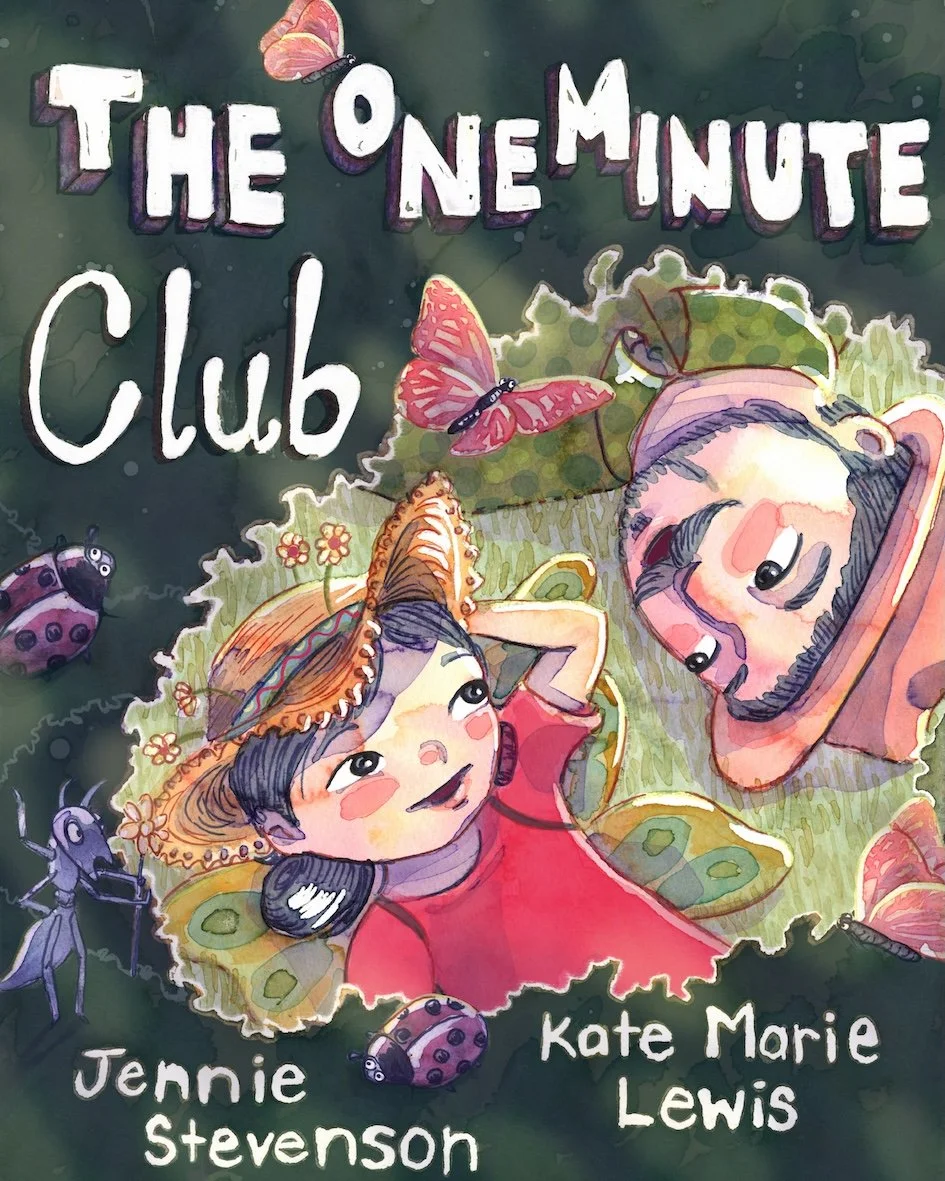
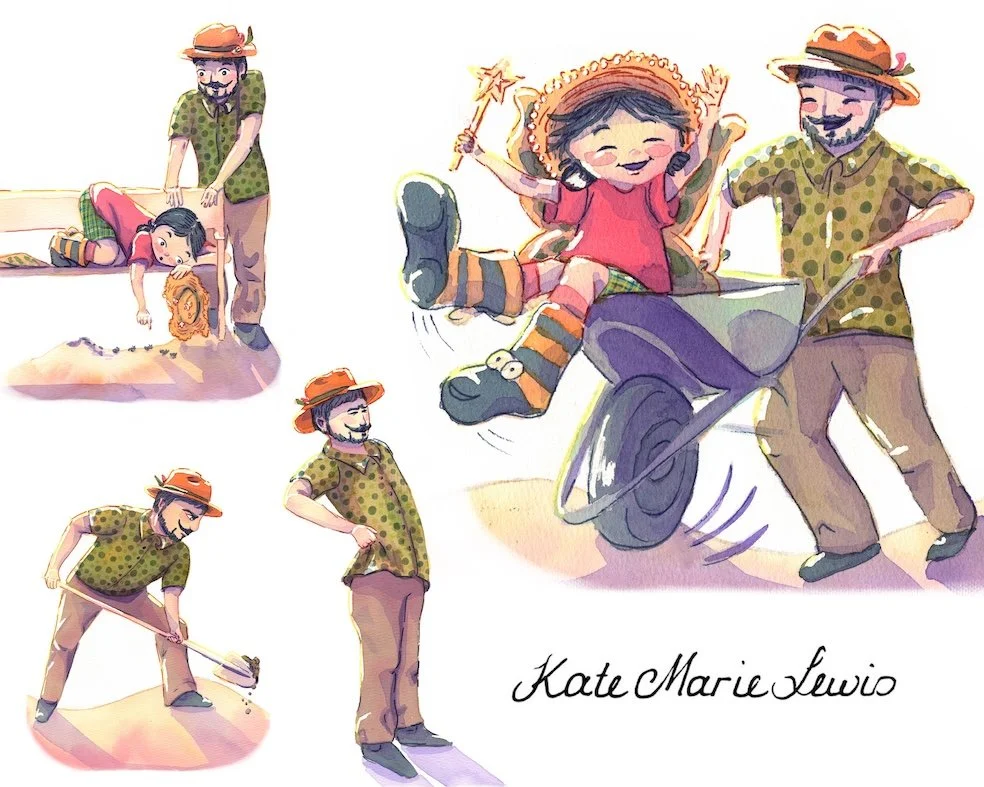
I chose The One Minute Club by Jennie Stevenson, a lovely story featuring a young girl and her father.
A lot of art in a short amount of time
One of the things I found most valuable about the course was simply the volume of work it encouraged me to produce.
Each week there was a smaller mini assignment as well as a larger illustration that was submitted for review. Over the duration of the course, this meant producing a substantial number of finished illustrations in a relatively short period of time.
I worked traditionally throughout the course, using watercolour and mixed media, which definitely added an extra challenge to the timeframe. Unlike digital work, there isn't quite as much opportunity to undo, resize, repaint or make major changes at the last minute!
There were certainly weeks when the deadline felt very close.
But I'm particularly proud that I managed to submit all of my assignments before their deadlines. A few even made it into the shout-outs during the live review sessions, which was a lovely—and slightly nerve-wracking—experience!
Learning through making
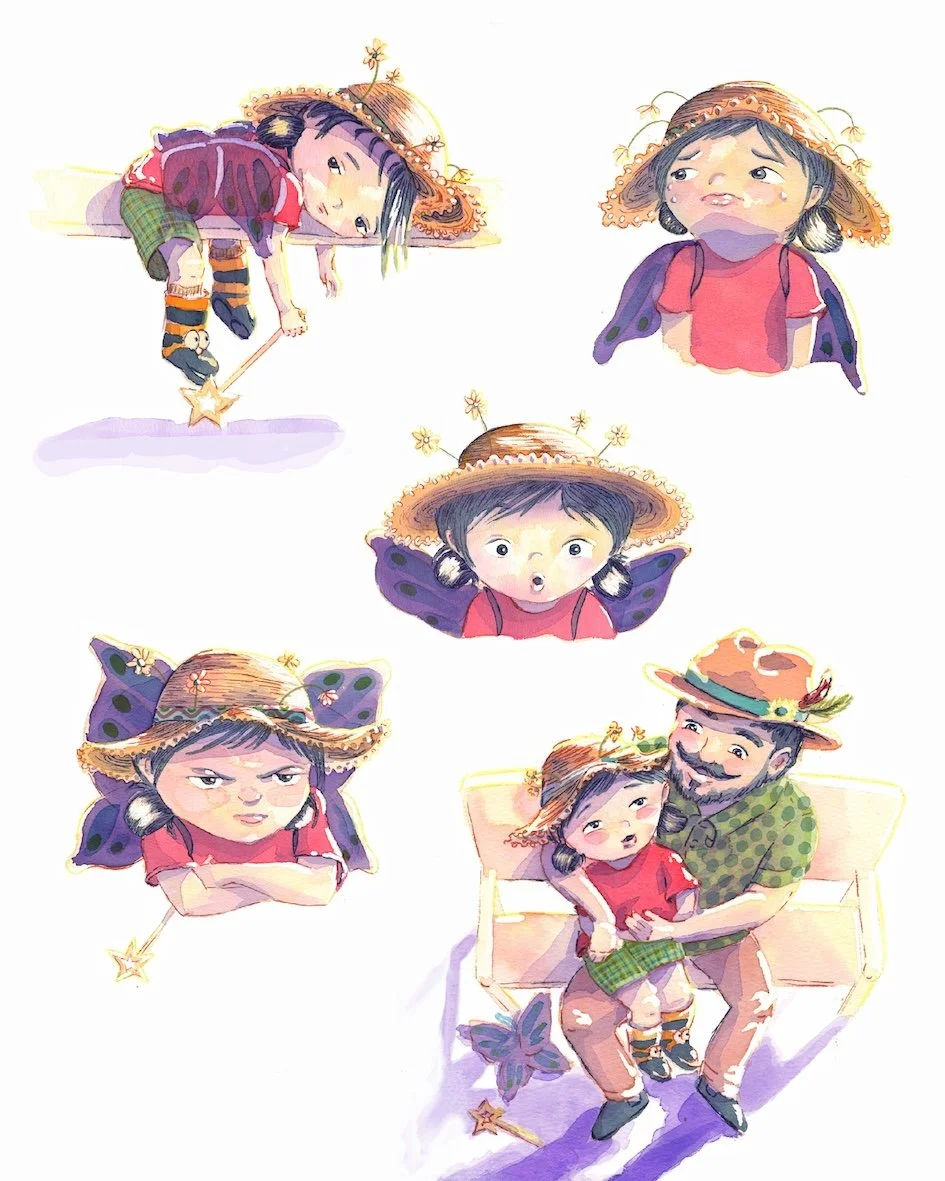
One of the biggest things I took away from the course was how much you can learn simply by making a lot of work.
It is easy to spend a lot of time thinking about illustration, planning an illustration, researching illustration, or worrying about whether an illustration is “good enough”.
But there is something very different about having to actually sit down and make the next piece.
And then the next one.
And the next one.
No time for second guessing.
Because the course required us to produce work consistently, I found myself making decisions more quickly, experimenting more freely and becoming more comfortable with my materials. I also began to see patterns in my own work and which aspects of my style I wanted to push further.
Working on a series around the same story was particularly useful. Rather than creating a collection of unrelated portfolio pieces, I was thinking about characters, environments, composition, colour and visual storytelling within the same world.
I think that continuity helped me to develop a stronger sense of my own illustration style.
The daily sketching habit
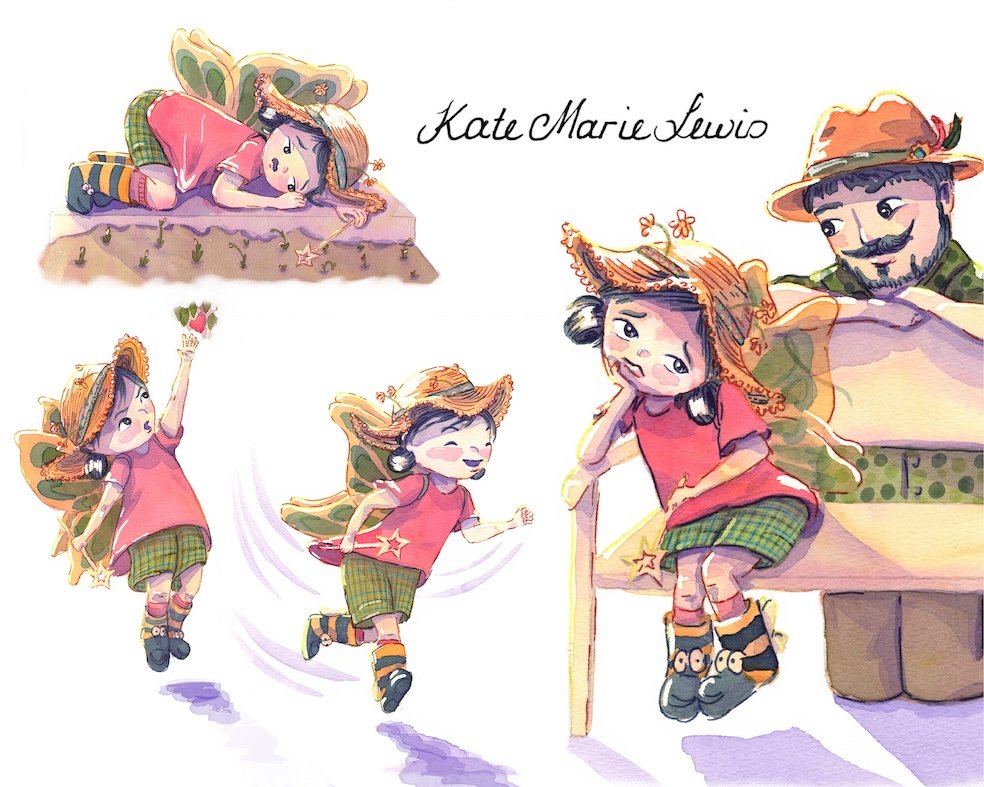
Another part of the course that I particularly enjoyed was the daily sketch prompts.
They were small enough to be manageable but gave me a reason to pick up a pencil every day.
The regular practice helped take some of the pressure away from every drawing needing to be a finished piece. It reminded me that sketching is a place to play, explore ideas and make mistakes.
The community
The course also came with a lovely community of artists through the course Facebook group.
I really enjoyed seeing what everyone else was creating and reading the encouragement and feedback from other participants. There was such a supportive atmosphere, and it was fascinating to see how different illustrators approached the same prompts and text.
Seeing everyone else's work was also a great reminder that there isn't one “right” way to illustrate a story. Different artists could take the same brief in completely different directions, depending on their style, experience and way of seeing the world. That was probably one of my favourite parts of the course.
Looking back
I started the course hoping to create some strong new portfolio pieces, but I think I gained something more valuable than simply adding illustrations to my portfolio.
I finished with a large body of work created in a consistent style, greater confidence working with my traditional materials under pressure, and a much better understanding of what I can achieve when I commit to making work regularly.
Perhaps the biggest lesson was that sometimes the best way to improve isn't to wait until you feel ready to make the “perfect” piece.
It's to make a lot of pieces.
I'm really proud of the body of work I created during the course, and I'm excited to see how the skills and confidence I developed continue to influence my illustration practice.